- 972-526-5977 (Mobile)
- info@anntravesdesign.com



972-526-5977 (Mobile)
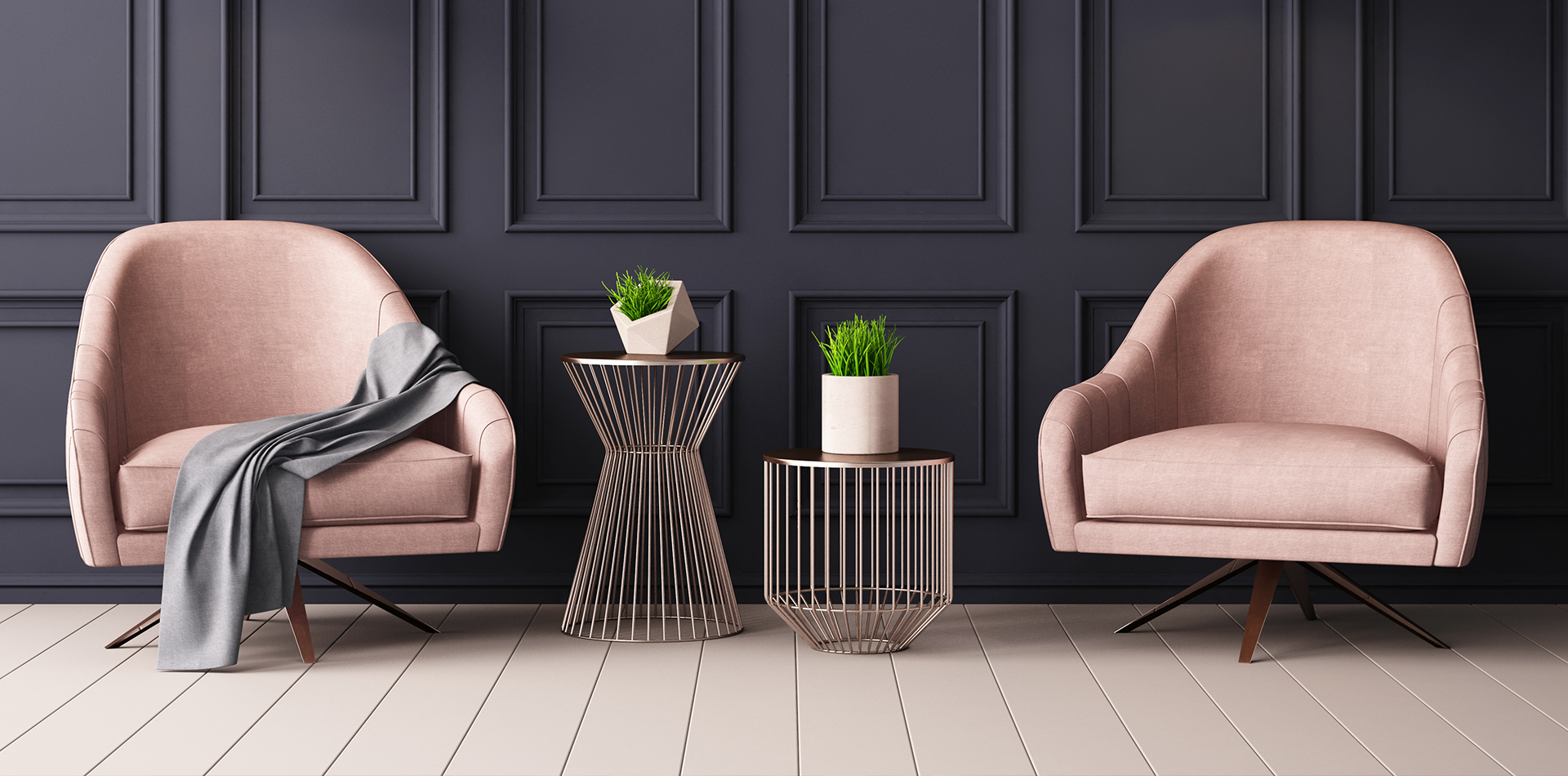
Matte Paint vs Satin Paint: Understanding the Difference
Choosing the right paint sheen is just as important as selecting the perfect color. Sheen affects how light reflects off a surface, how durable the paint is, and how well it hides imperfections. Two of the most commonly used finishes in residential and commercial interiors are matte and satin. While they may appear similar at first glance, their performance and visual impact are quite different.
This article breaks down the key differences between satin and matte paint sheens to help you make a confident, informed decision for your space.
What Is Matte Paint?
Matte paint (sometimes called flat paint) has little to no shine. It absorbs light rather than reflecting it, creating a soft, velvety appearance.
Key Characteristics of Matte Paint
- Low to zero reflectivity, LRV
- Creates a smooth, elegant look
- Excellent at hiding wall imperfections
- Touch-ups blend easily
Pros of Matte Paint
- Ideal for walls with dents, texture issues, or uneven surfaces
- Provides a modern, sophisticated aesthetic
- Works beautifully in low-traffic areas
- Reduces glare from natural or artificial light
Cons of Matte Paint
- Less durable than higher-sheen finishes
- More difficult to clean
- Can show stains, fingerprints, and scuffs more easily
Best Uses for Matte Paint
- Bedrooms
- Living rooms
- Dining rooms
- Ceilings
- Spaces with minimal wear and tear
What Is Satin Paint?
Satin paint has a soft, pearl-like sheen that reflects more light than matte but less than semi-gloss. It strikes a balance between durability and visual softness.
Key Characteristics of Satin Paint
- Subtle sheen with gentle light reflection
- Smoother and more washable than matte
- Slightly highlights wall texture
Pros of Satin Paint
- More durable and moisture-resistant
- Easier to clean with mild soap and water
- Holds up well in moderate- to high-traffic areas
- Adds a polished, finished look
Cons of Satin Paint
- Can highlight wall imperfections
- Touch-ups may be more noticeable
- Slight sheen may show roller marks if not applied properly
Best Uses for Satin Paint
- Hallways
- Kitchens
- Bathrooms
- Kids’ rooms
- Laundry rooms
- Home offices
How to Choose the Right Sheen
When deciding between satin and matte paint, consider the following:
- Wall condition: Matte is best for imperfect walls; satin works well on smooth surfaces.
- Traffic level: High-traffic spaces benefit from satin’s durability.
- Lighting: Bright rooms may feel softer with matte; satin can add subtle dimension.
- Lifestyle: Homes with children or pets often require satin for easier cleaning.
Many designers use a combination of both, matte in main living areas for elegance and satin in functional spaces for longevity.
Designer Tip
If you love the look of matte but need durability, ask us the paint experts or your local paint supplier about washable or scrub-resistant matte formulas. Paint technology has improved significantly, offering the best of both worlds.
Final Thoughts
Matte and satin paint sheens each serve a purpose. Matte offers understated beauty and a flawless appearance, while satin provides durability and practicality without excessive shine. The right choice depends on how the space is used, the condition of your walls, and the overall design goal.
If you are unsure which sheen works best for your home or commercial project, consulting with Anntraves Interior Design, we can save time, money, and frustration along. Ensure your space looks beautiful for years to come.
‹ Back
Recent Posts
-
Matte Paint vs Satin Paint: Understanding the Difference
February 5, 2026
-
Best Paint Colors for Open Concept Homes in Dallas-Fort Worth
October 22, 2025
-
How Real Estate Staging Helps Sell Homes Faster in Dallas
October 8, 2025
-

Should You Choose E-Design or Full-Service Design in Dallas
September 24, 2025
-
How to Make Small Rooms Feel Bigger Without Remodeling
September 10, 2025




Site by